
How Do Porta Potties Work On a Job Site?
A construction worker walking to a porta potty at 7am expects the same thing every day: a stable unit, a working latch and a tank that has room left in it. The unit itself is simple. It stands about 92 inches tall and sits on a footprint near 44 by 48 inches, small enough to tuck at the edge of a lot without eating into work space. Inside, waste and toilet paper drop straight into the tank below the seat. There is no flush, no water line, no plumbing to freeze or break. A vent stack pulls odor up and out rather than back into the stall.
For crews, the math behind unit count comes from OSHA 1926.51(c), which sets 1 toilet for 20 workers or fewer, then scales up from there. Contractors sizing a project usually start with how many porta potties do i need before they ever look at unit type. Most general contractors go with a standard porta potty rental for daily use, and add an ADA accessible porta potty per ADA Standards section 213.2, which requires at least one accessible unit in any cluster. Delivery trucks need about 60 feet of straight clearance behind them to set a unit down, something worth checking before delivery day in Lansing.
How Do Flushable Porta Potties Work?
A flushable unit uses a small onboard freshwater tank and a foot pump or hand pump to rinse the bowl after each use, instead of relying on gravity alone. That freshwater reservoir sits separate from the holding tank below, so rinse water never mixes with what is waiting to be pumped out. This is the setup behind a deluxe flushable porta potty, the option most weddings and corporate events in Lansing ask for over a bare-bones unit.
The extra plumbing means a slightly bigger footprint and a different service routine, since both tanks need attention on pump day. Event planners booking a wedding restroom rental or a festival restroom rental often pair a few flushable units with standard ones to balance comfort against budget. For larger guest counts, an 8 stall restroom trailer or 4 stall restroom trailer skips the tank-and-pump setup entirely and runs on a real water line, which is why most restroom trailer rental bookings for 150 or more guests skip standalone units.

How Does a Portable Sink Work?
A portable sink runs on the same no-plumbing logic as a porta potty: a built-in freshwater tank feeds the faucet, usually by foot pump, and a separate gray water tank underneath catches the runoff. Nothing connects to a building line. That is what makes a handwashing station rental or portable sink rental drop-in simple on a bare lot in Lansing, whether it is 6.2 miles from a job site in East Lansing or right downtown.
Handwashing stations matter for two different reasons depending on the work. General jobsite sanitation falls under OSHA 1926.51(c), but crews applying paints, coatings, herbicides or insecticides trigger a separate rule, OSHA 1926.51(f)(1), which requires washing facilities specifically because of those contaminants. Whatever the trigger, the station needs soap and towels or a hand-drying device to satisfy 29 CFR 1910.141(d)(2); hand sanitizer alone does not meet that standard. A hand sanitizer station rental works as a supplement, not a substitute.
Do Porta Potties Work the Same Way While Camping?
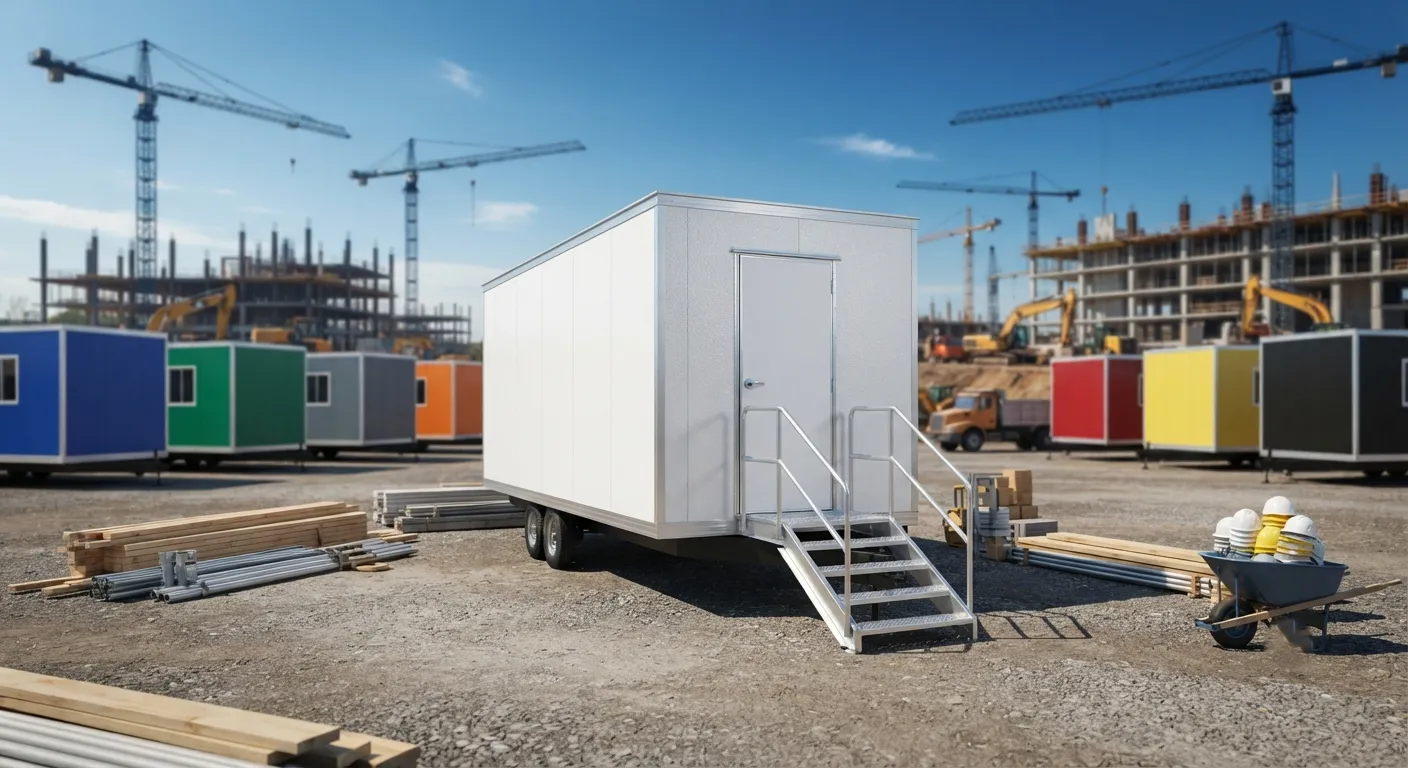
Camping units work exactly the same as a jobsite standard unit, just placed somewhere with no power and no water hookup, which is the whole point of a camping porta potty. The holding tank, the chemical treatment, the vent stack, all of it is identical. What changes is service frequency, since remote sites away from a road can stretch the pump schedule compared with a downtown Lansing sidewalk unit that gets serviced weekly under the ANSI/PSAI Z4.3 baseline interval.
Septic tank cleaning chemicals used in porta potty tanks are a different product than what goes into a home septic system, and mixing assumptions between the two causes confusion. A residential tank gets pumped out entirely every 3 to 5 years depending on tank size and household load, a job covered under septic pumping service and how often to pump a septic tank. A porta potty tank gets treated with deodorizing chemical on a weekly cycle instead, since it holds active waste the whole time rather than settling solids slowly like a buried tank does.
Frequently Asked Questions
Do porta potties smell if serviced on schedule?
Not much, if the schedule holds. The blue chemical inside the tank is built to suppress odor between pumps, and the vent stack carries what's left up and away from the seat. Skip a service cycle and it changes fast, which is why how often are porta potties cleaned matters more than unit choice.
Can a porta potty freeze in winter?
Yes, the chemical mix and usage volume both affect it. Lansing winters push tank contents toward freezing on low-use units, which is covered in detail on porta potty in winter. Higher-traffic units generate enough waste heat to resist freezing longer than a rarely-used one.
What does a porta potty rental cost per day in Lansing?
Daily rates for a standard unit run from around $100 to $350 depending on duration and delivery distance. Full pricing breakdowns, including weekly and monthly options, sit on porta potty rental cost and porta potty rental per day.
How do porta potties work for a construction crew across shifts?
The same tank serves every shift; only the delivery count changes. OSHA 1926.51(c) sizes units by headcount, not by shift pattern, so a 40-person day crew and a 10-person night crew share the same unit count if they overlap the same lot in Lansing.
Do I need a permit to place a porta potty in Lansing?
Placement in the public right of way needs confirming with the city before delivery. Check porta potty permit requirements or dumpster permit requirements for the related process, and confirm sidewalk or street placement directly with Lansing before your delivery date.
Next step
Get a delivery date
Tell us the address, the dates and the headcount. We size the order and confirm the route.